Hurricane Helene...
On September 27, 2024, Hurricane Helene dumped an estimated 30 inches of rain on the Cattail Creek watershed and surrounding portions of Yancey County, causing catastrophic flooding, landslides, and widespread destruction throughout the region. Some nearby locations in Western North Carolina recorded more than 31 inches of rainfall during the storm, among the highest totals ever documented in the area. (Southern Living)
Across Yancey County, at least 11 people lost their lives as a result of Hurricane Helene, making Yancey one of the hardest-hit counties in North Carolina on a per-capita basis. Most deaths were caused by flooding, with others linked to landslides and storm-related vehicle incidents. (NC DHHS)
Within the Cattail community itself, two full-time residents drowned, and the area was completely cut off from outside services for an extended period. Treacherous water crossings washed out portions of Cattail Creek Road and connecting roads, isolating residents from emergency assistance, supplies, electricity, and communications.
Power was not restored until November 4 for homes near the lower end of Mt. Helen Estates, and much later for homes farther up the mountain. Winter arrived early that year, greatly increasing the hardship and misery faced by residents struggling to recover.
Most bridges in the community were destroyed, making travel, cleanup, and rebuilding extraordinarily difficult. Two houses were washed completely away into the creek, while landslides damaged or destroyed at least four others. Many additional homes suffered major damage from floodwaters in the creeks or from torrents of rain runoff bursting down the mountainsides.
At least 76 Cattail residents were evacuated by helicopter immediately after the storm, as local rescue crews worked under extremely dangerous conditions to reach isolated families trapped by floodwaters, collapsed roads, and landslides.
In the weeks andmonths that followed, residents endured prolonged power outages, limited communications, unsafe roads, damaged water systems, and the emotional strain of living through one of the worst natural disasters ever to strike the mountains of Western North Carolina.
But working together as a community of friendship and faith, we recovered!
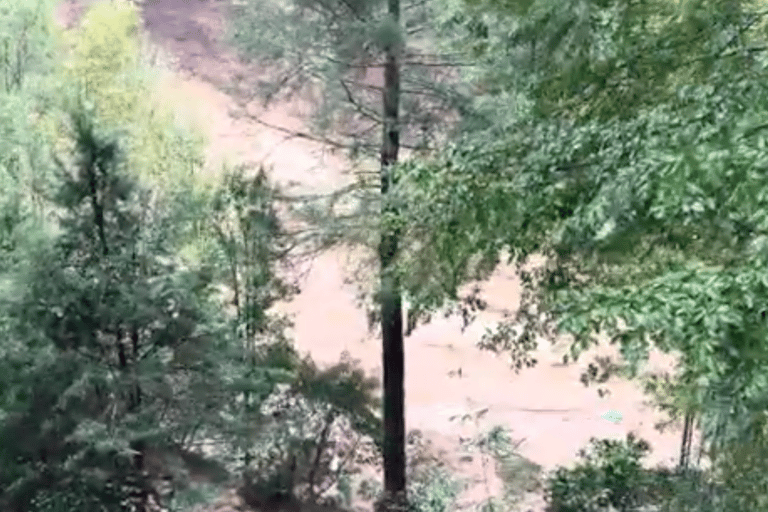
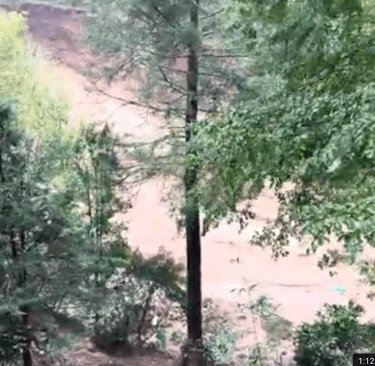
Jim Kiltie narrates the morning after...
This is the site of the notorious and famous "double water crossing" at the entrance of Mt. Helen Estates.
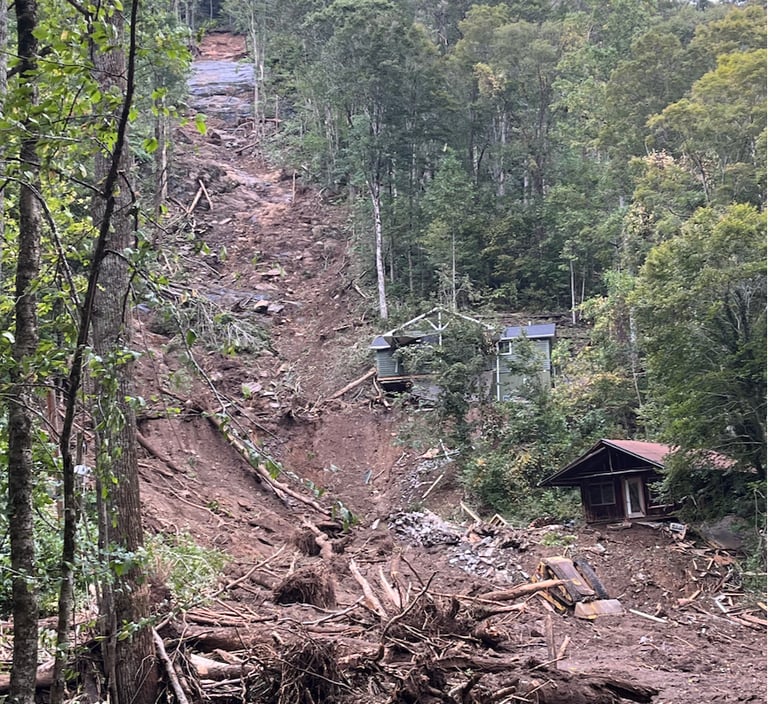
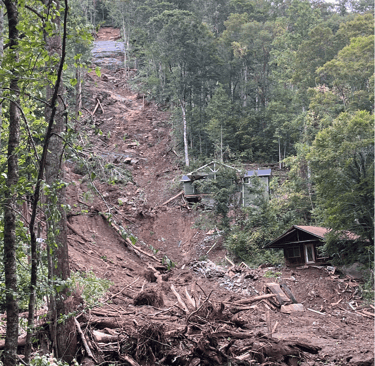
This is the Tennis Ct. landslide. Karl and Virginia Baumann's house was heavily damaged and unliveable , and the lower cabin pictured here was torn off its foundation as Larry Katz and Molly Secrest barely escaped with their dog. A similar landslide on Winter Star completely washed away one house, tore another off its foundation, and probably contributed to the complete destruction of the Lonsinger (McGuirl) house on North Fork and one death on lower North Fork.
Landslides...
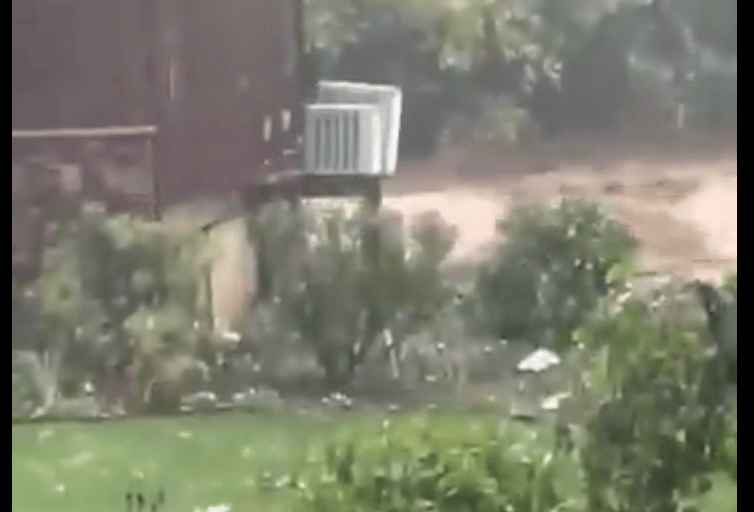
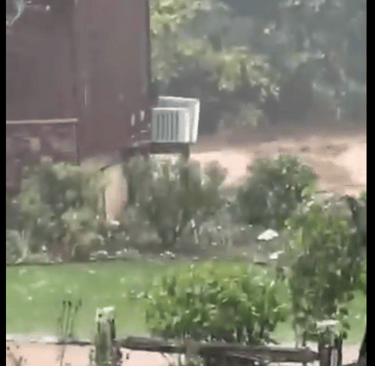
Keith Phillips narrates "high tide" across from Storybook Home...
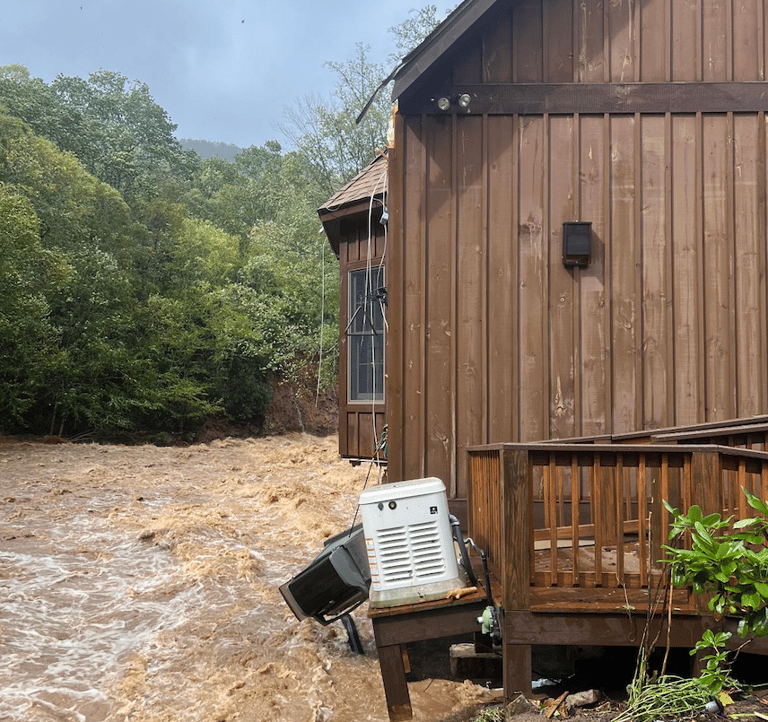
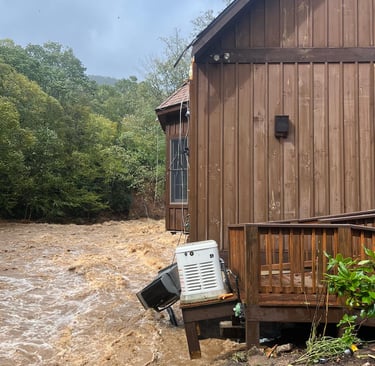
Across from the Phillips, Worth and Susan Weller — who luckily were camping in Colorado that week with their Jeep, dogs, and camper — lost 60 feet of deck, the overhanging roof, and the entire creek bank along the length of their property. Later that morning, the generator tipped into the creek. (photo courtesy Keith Phillips)
Cleetus McFarland makes the first helicopter rescue at Cattail...
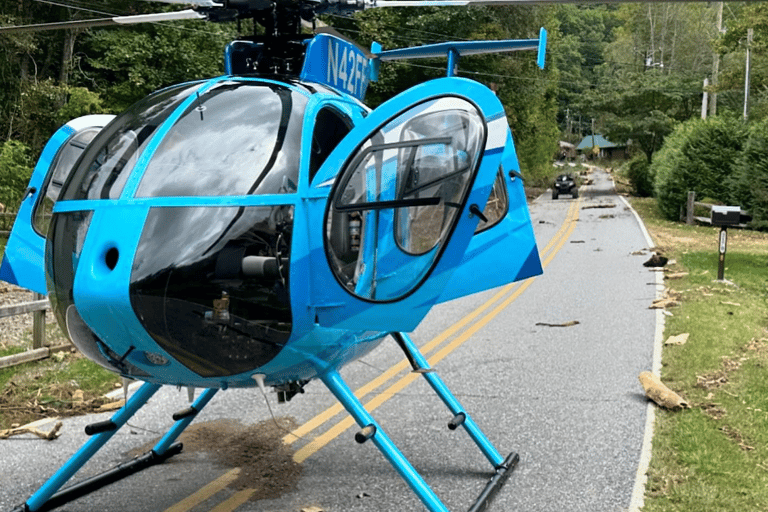
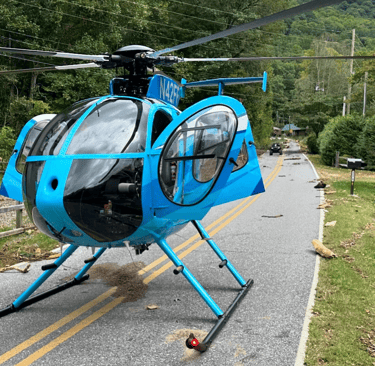
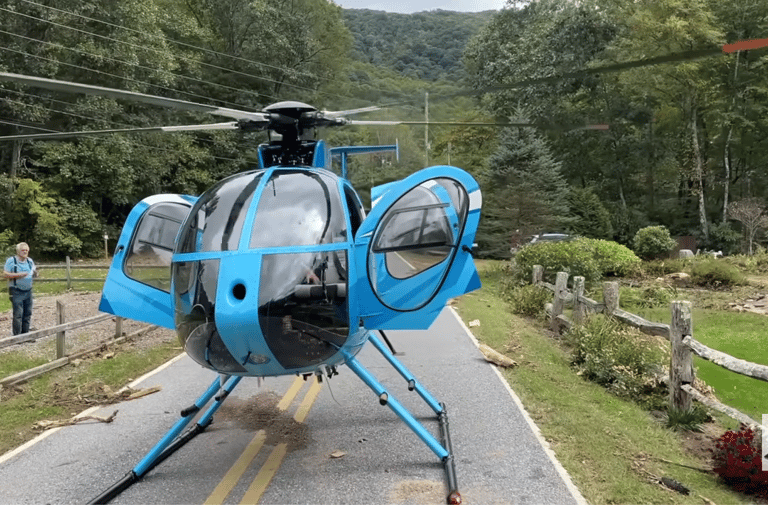
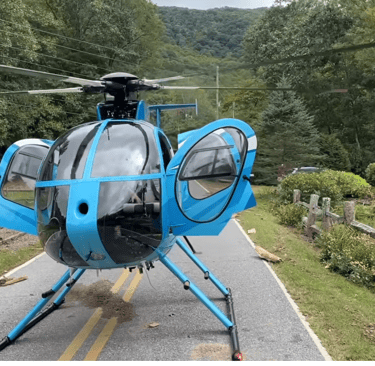
This video is a recap of the entire flight and scary landing.
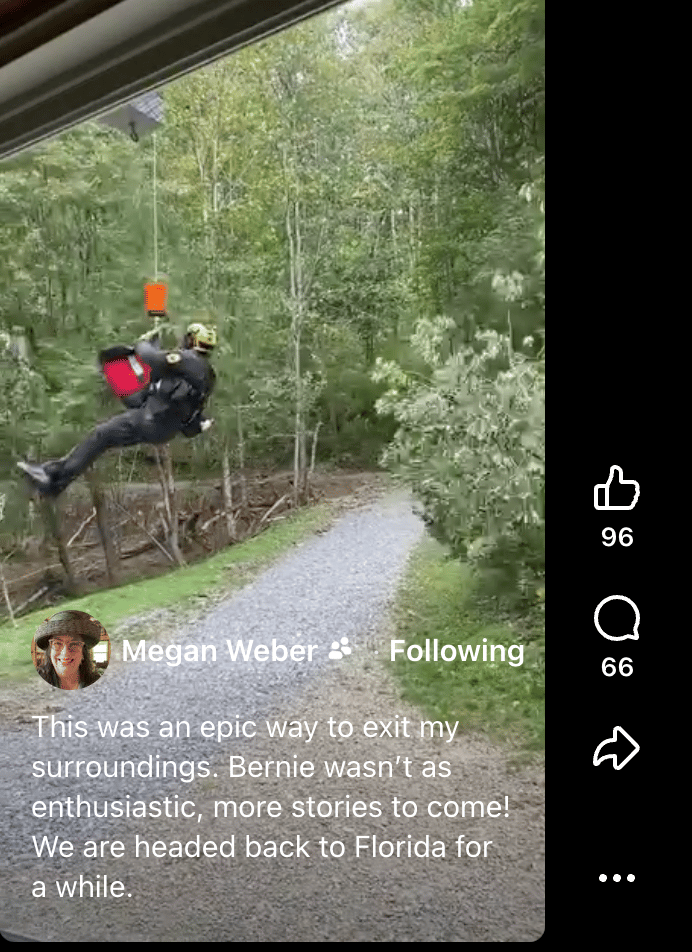
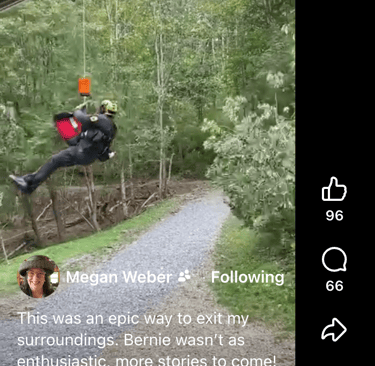
Megan Weber went out the hard way!!
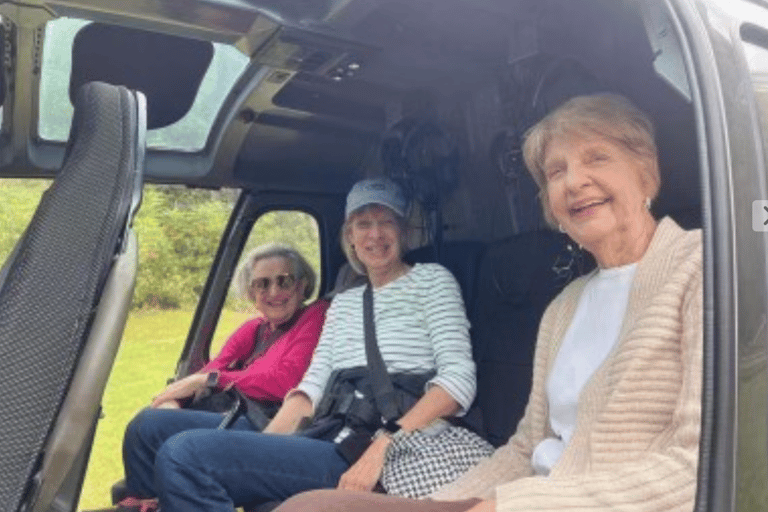
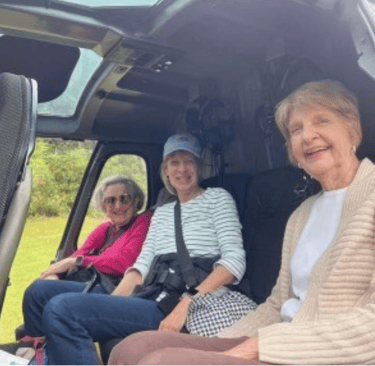
Amy Fitzgerald Buchanan organized more comfortable rides for over 70 Cattailers, who took off in military helicopters from the Baden meadow.
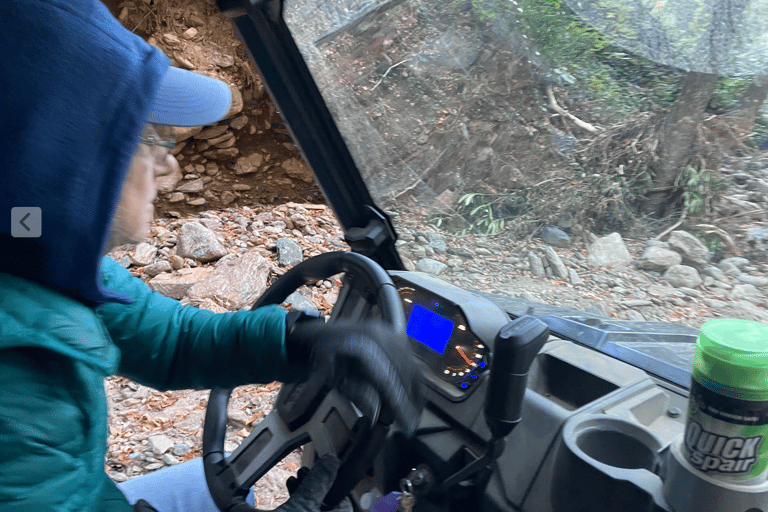
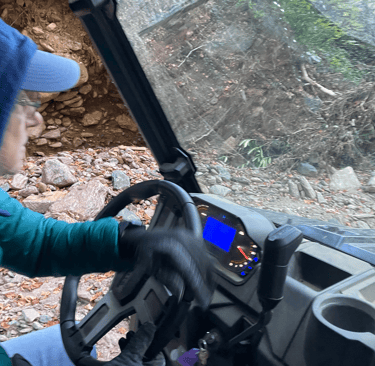
For those who stayed behind — or quickly returned to begin repairs on their damaged homes — this was the only way to get around, including arduous trips to town for mail, fresh groceries, supplies, medicine, and other necessities.
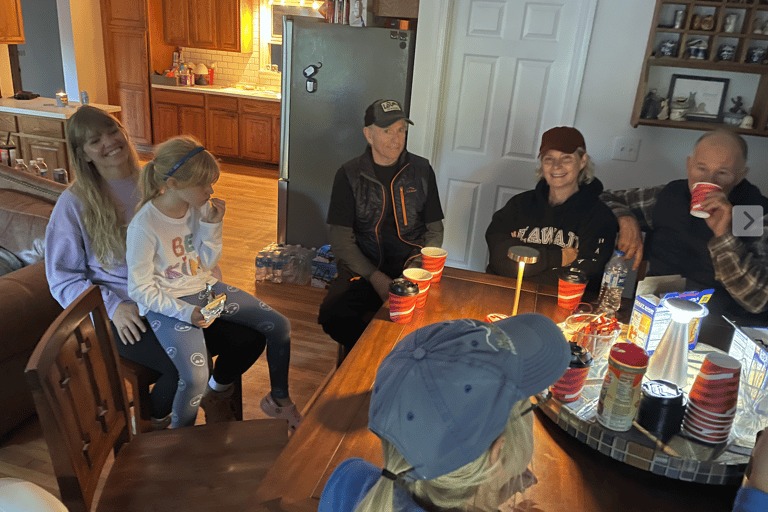
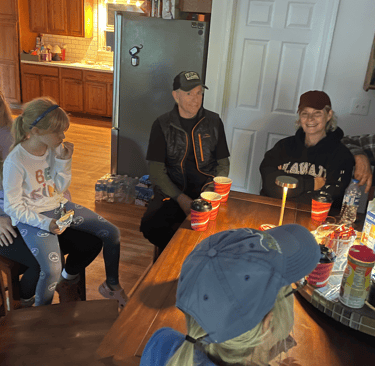
Morale, though deeply shaken by the general trauma and destruction, remained high in the immediate days after the flood as neighbors gathered together to plan the next steps forward. Churches and other NGOs quickly stepped in to help, and the Pensacola Volunteer Fire Department provided emergency generators that helped keep the lights on and allowed residents to begin the long recovery process.
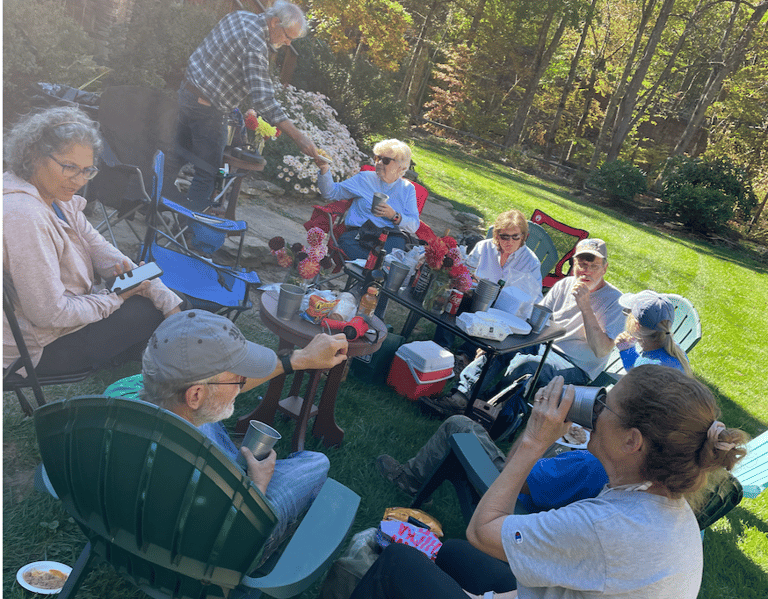
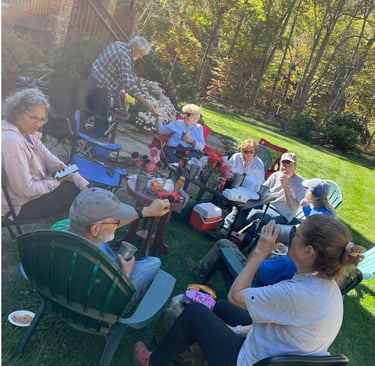
A "not deck" party at the Wellers barely two weeks after the disaster.
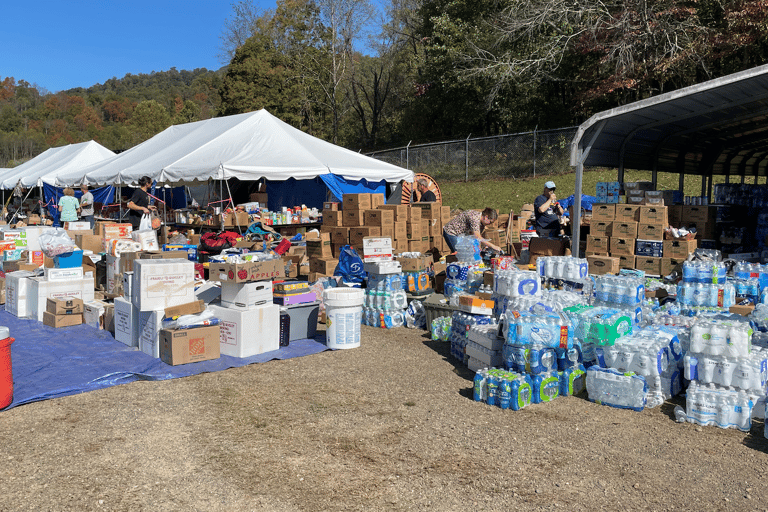
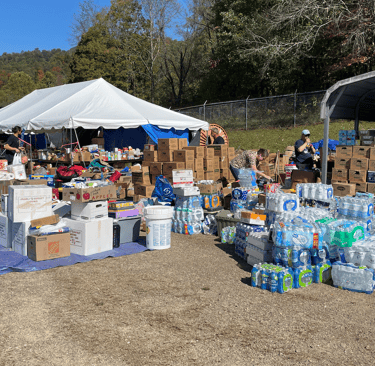
Camp Miller — at the old Country Cable site — was quickly set up as a central location for water, fuel, hot meals, and other necessities, including canned goods, generators, dehumidifiers, sanitation supplies, and the like. FEMA provided hot showers and industrial-scale washers and dryers, as the mud and dirt throughout the area remained at incredible levels for months.
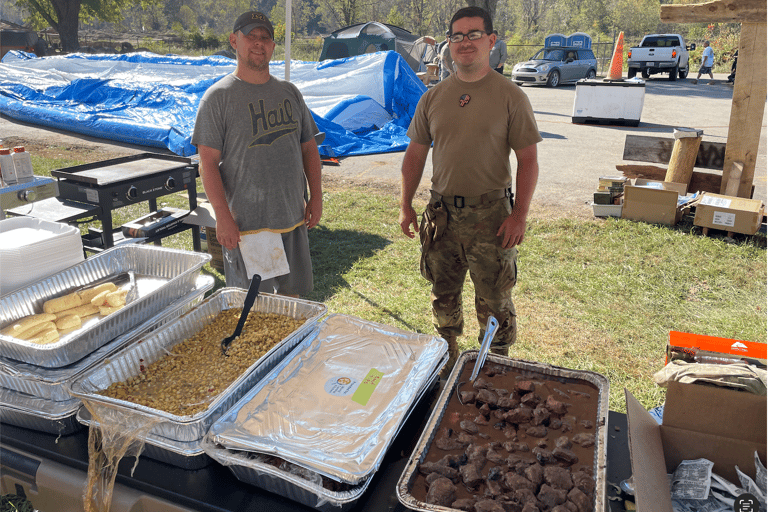
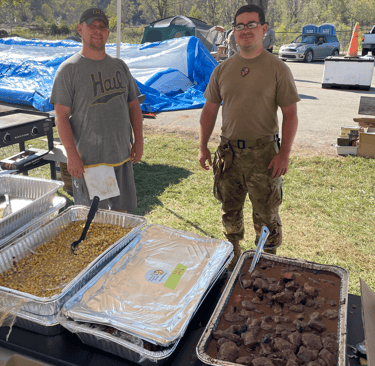
World Central Kitchen, including a personal visit by chef José Andrés, arrived quickly to provide amazingly delicious — and badly needed — hot meals to residents, emergency workers, and volunteers throughout the disaster area.
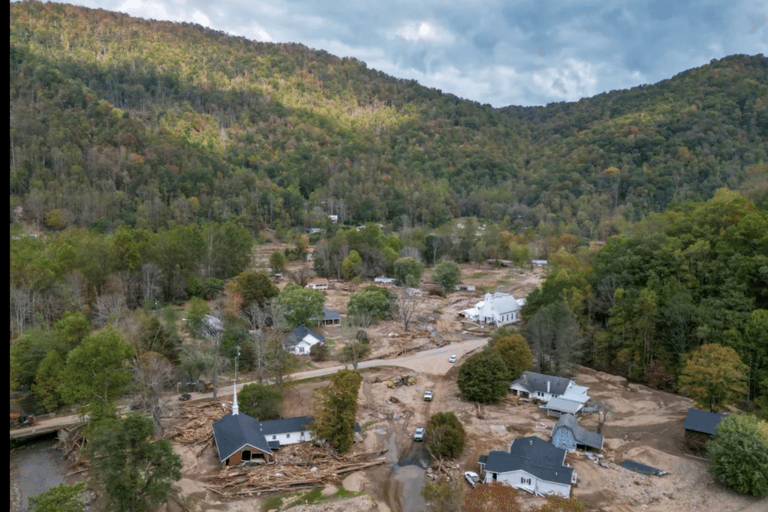
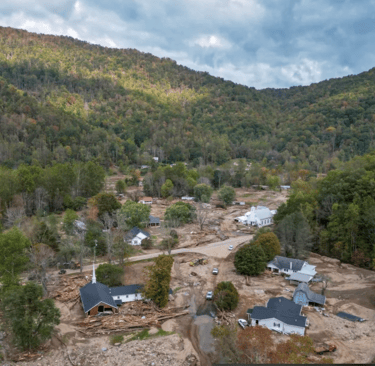
This is an aerial view of Pensacola two weeks after the disaster — it looked like it had been bombed. Laurel Branch Baptist Church (white building center right) was fully restored 18 months later, but the Methodist church in the lower left had to be abandoned.
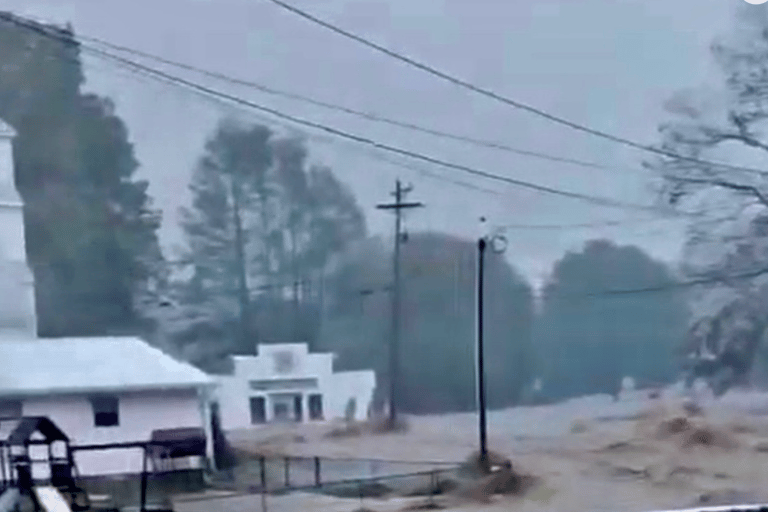
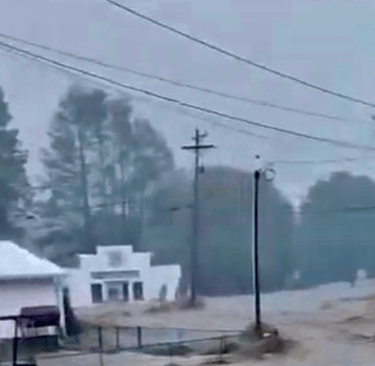
View of our beloved Wilson Store literally moments before it was washed away.
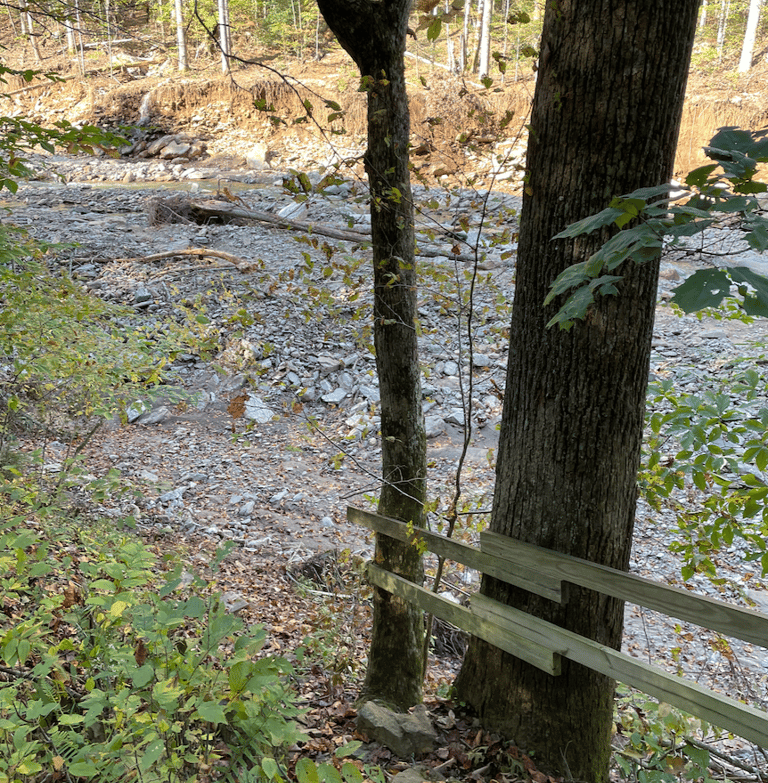
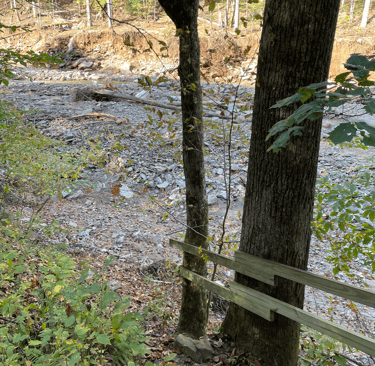
The Bath Tub — known as the “Tan Vat” in the Olden Days because it was a perfect place for tanning bear hides — is gone, buried under ten or more feet of gravel.
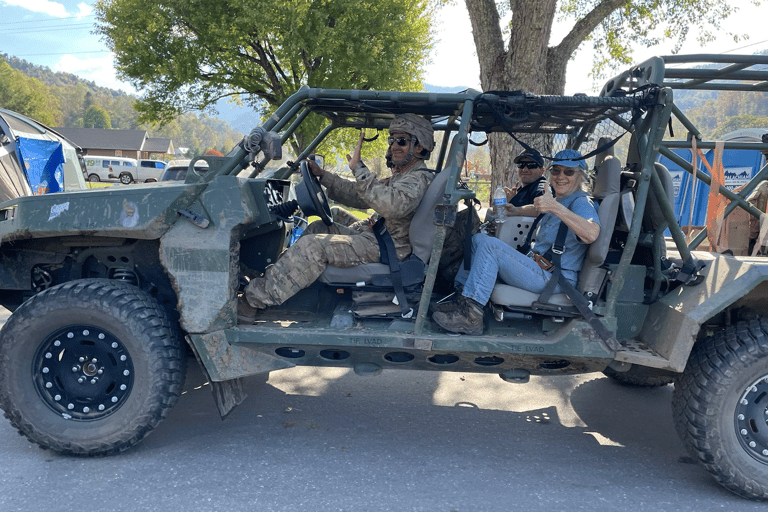
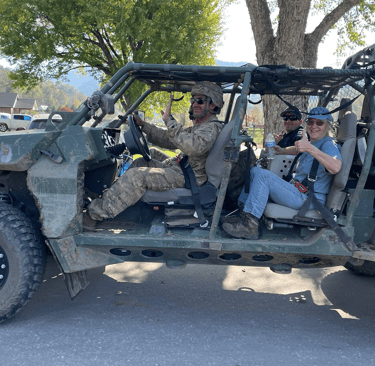
Expedition from Camp Miller for pet rescue at Cattail!!
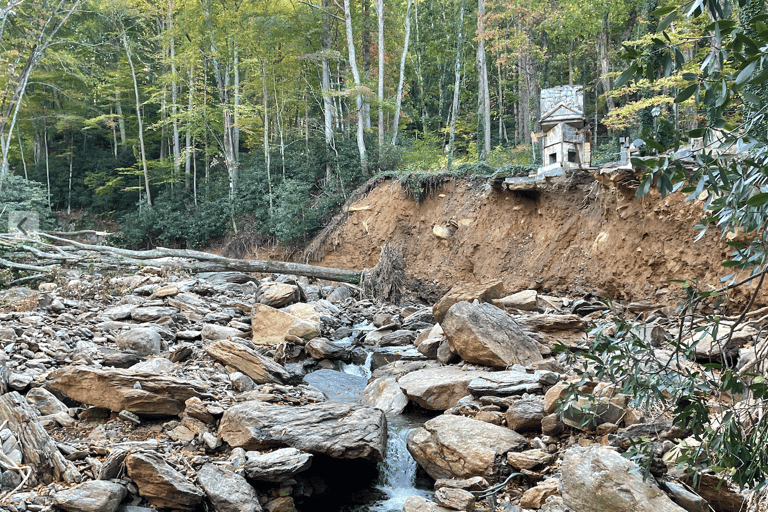
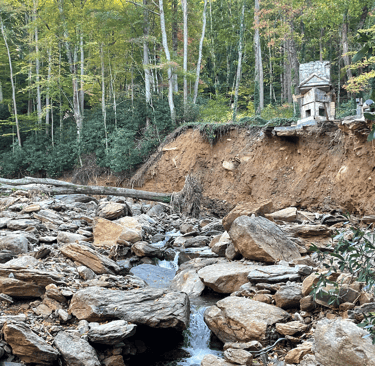
The "Piano House" on Winter Star is also gone - the chimney gave up about 18 months later.
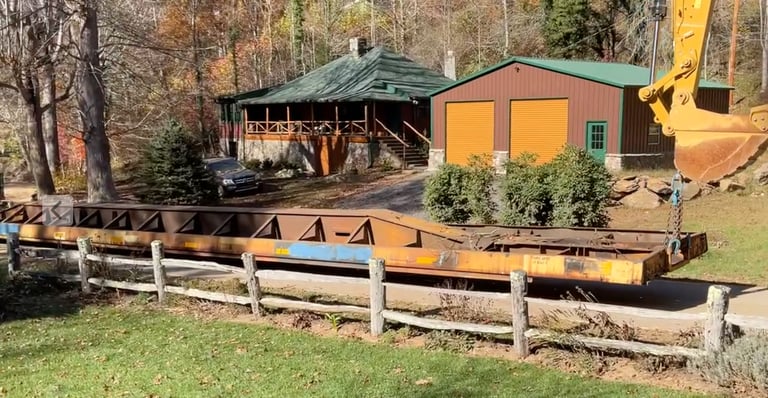
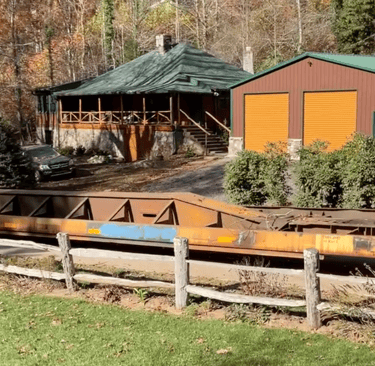
Rail car for the temporary Baden bridge going past the Phillip's house. Crews worked literally around the clock to reopen this vital artery.
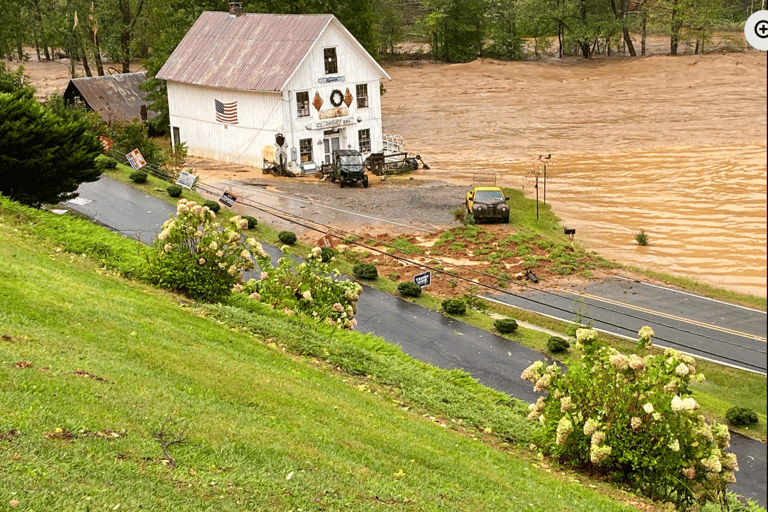
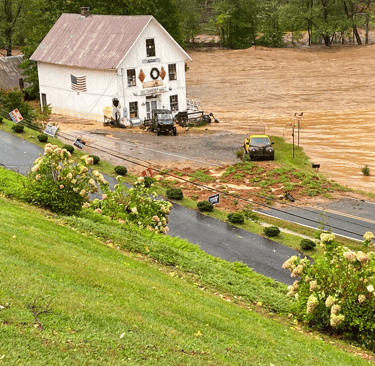
The Cane River came this close to taking Danny's Store.
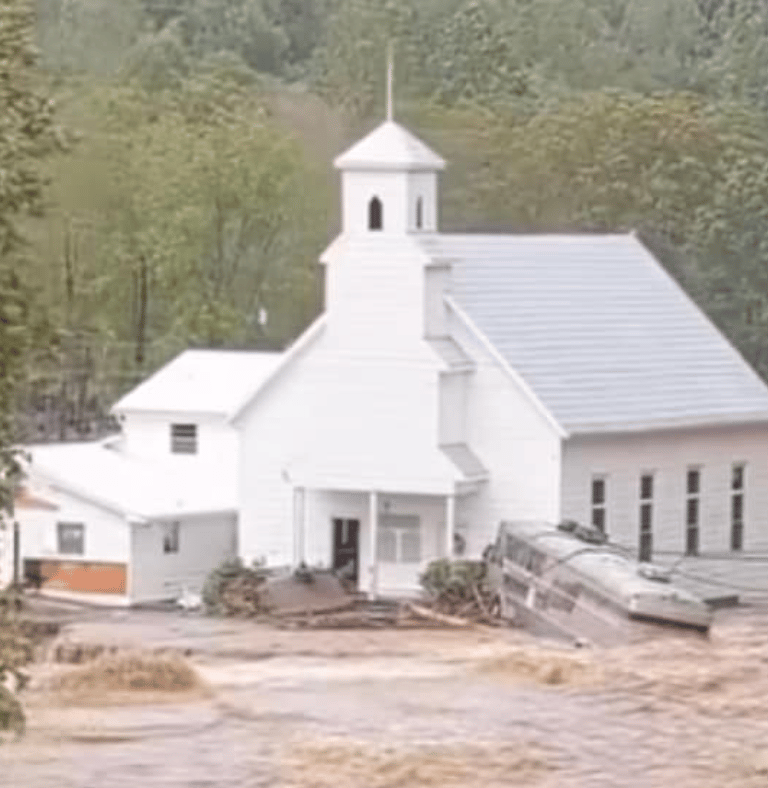
The historic Laurel Branch Baptist Church (dating back to the RR days) barely survived.
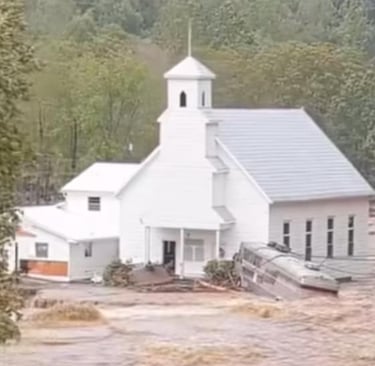
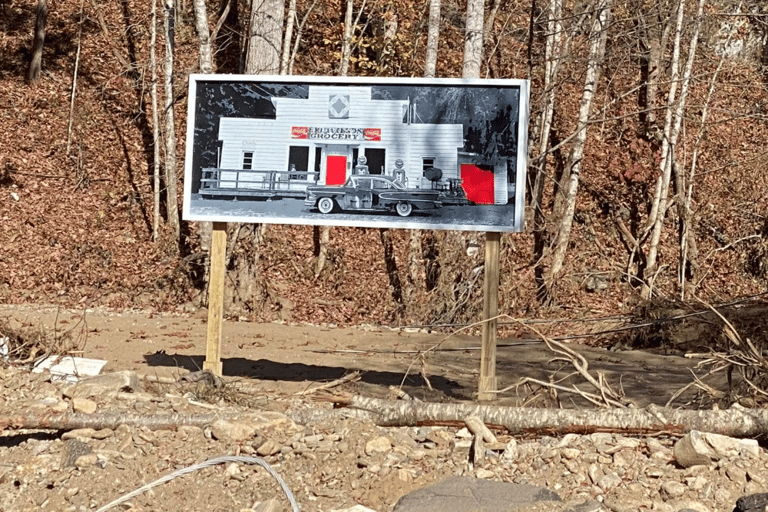
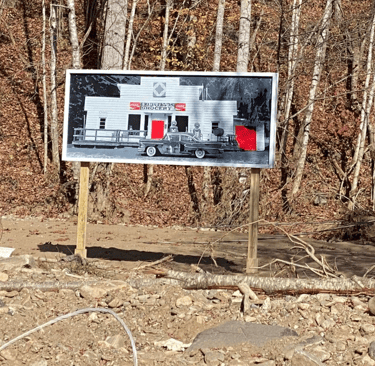
But absolutely nothing was left of the B.B. Wilson store
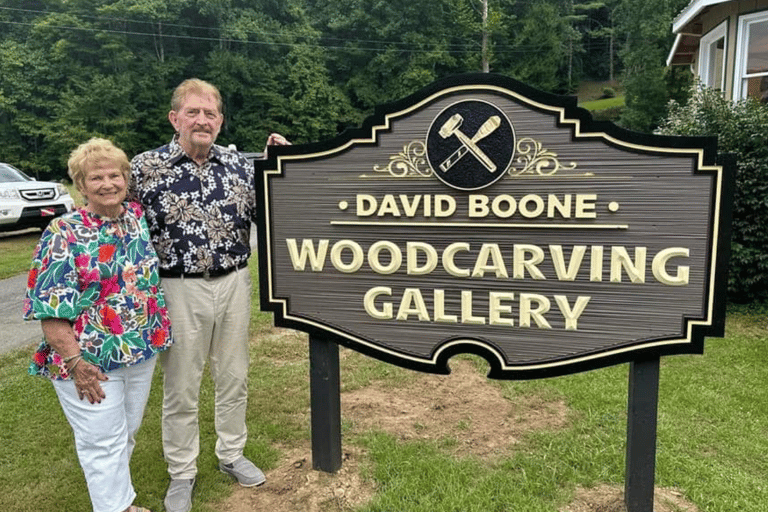
Also barely surviving was this important icon of the community. This photo was taken just one month before the flood, celebrating the “modernization” of David’s workshop. The building itself was heavily damaged by the storm, but fortunately his priceless carvings escaped the flooding that took out many other buildings in the area "by the grace of God."
Since then, the workshop has been rebuilt and rededicated with widespread help and support from across the community — another example of the determination and resilience that emerged in the aftermath of Hurricane Helene.
Helene photo/video galleries and stories from eye-witness accounts...
Contact
Stay connected with Cattail Creek HOA updates.
aDDRESS:
2224 Cattail Creek Road.
Burnsville NC, 28714
info@cattailcreeknc.com
© 2026. All rights reserved.